
Recognizing Burnout: When Your Soul is Asking for Help
As someone who has walked through my own valleys of exhaustion and despair, I want you to know that recognizing burnout isn’t about weakness—it’s about wisdom. Your body and mind have ways of telling you when the load has become too heavy, and learning to listen to these signals is one of the most loving things you can do for yourself.
I’ve seen too many beautiful souls push through warning signs, thinking they just need to try harder or be stronger. But healing begins when we acknowledge where we are and when we permit ourselves to seek support. If these signs resonate with your experience, please know that you’re not alone, and there is a path forward.
Table of Contents
1. When Tiredness Lives in Your Bones: Understanding Chronic Fatigue

I remember waking up feeling like I hadn’t slept at all, even after eight hours in bed. Chronic fatigue isn’t just being tired after a long day—it’s when exhaustion becomes your constant companion, following you from morning until night and greeting you again when you wake.
You might find yourself staring at simple tasks, feeling overwhelmed by decisions that once felt easy. That mental fog—the one that makes you feel like you’re thinking through cotton—it’s real, and it’s your mind’s way of saying it needs rest and care.
The ways chronic fatigue shows up:
- Waking up as tired as when you went to sleep
- Simple decisions feel overwhelming or impossible
- A constant mental fog that clouds your thinking
- Physical heaviness that makes routine tasks feel mountainous
- Needing caffeine or stimulants to function
- Sleep that doesn’t refresh, no matter how much you get
- Feeling drained after social interactions that used to energize you
- Weekends that no longer offer the renewal they once did
If this resonates with your experience, please be gentle with yourself. Your exhaustion is valid, and it’s your body’s way of asking for the care and attention you deserve.
2. When Joy Becomes a Stranger: The Loss of Interest

There’s a particular sadness in losing touch with the things that once lit up your world. I’ve worked with so many people who describe this feeling—looking at hobbies they once loved and feeling… nothing. It’s like the color has drained from activities that used to bring meaning and joy.
This withdrawal isn’t about being antisocial or difficult. It’s often our spirit’s way of conserving energy when everything feels like too much. You might find yourself canceling plans, avoiding conversations, or simply going through the motions of life without feeling truly present.
Signs that burnout is stealing your joy:
- Hobbies and interests feel tedious or pointless
- Preferring isolation over spending time with loved ones
- Difficulty connecting with achievements that once meant something
- A sense of monotony in daily life
- Feeling emotionally flat or numb
- Avoiding new experiences or challenges
- Loss of motivation for personal and professional goals
Remember, this season of disconnection doesn’t define you. With proper support and self-care, that spark within you can be rekindled.
3. When Patience Runs Thin: Emotional Changes and Irritability
Burnout has a way of stripping away our emotional reserves, leaving us reactive in ways that don’t feel like ourselves. You might find yourself snapping at people you love, feeling cynical about situations that wouldn’t have bothered you before, or carrying a heaviness that colors how you see the world.
I want you to know that these emotional changes aren’t character flaws—they’re symptoms of a system that’s overwhelmed and needs support. When we’re running on empty, our capacity for patience, empathy, and positive thinking naturally diminishes.
How burnout affects your emotional world:
- Frequent mood swings or irritability over small issues
- Feeling trapped in cycles of negative thinking
- Losing patience more quickly than usual
- Becoming critical or dismissive of others
- Feeling disconnected from your work and community
- Experiencing increased pessimism or cynicism
- Difficulty finding empathy for others’ situations
These emotional changes can be particularly hard because they can strain our relationships just when we need connection most. Working through these patterns with professional support can help restore your emotional balance.
4. When Your Body Speaks: Physical Symptoms of Stress
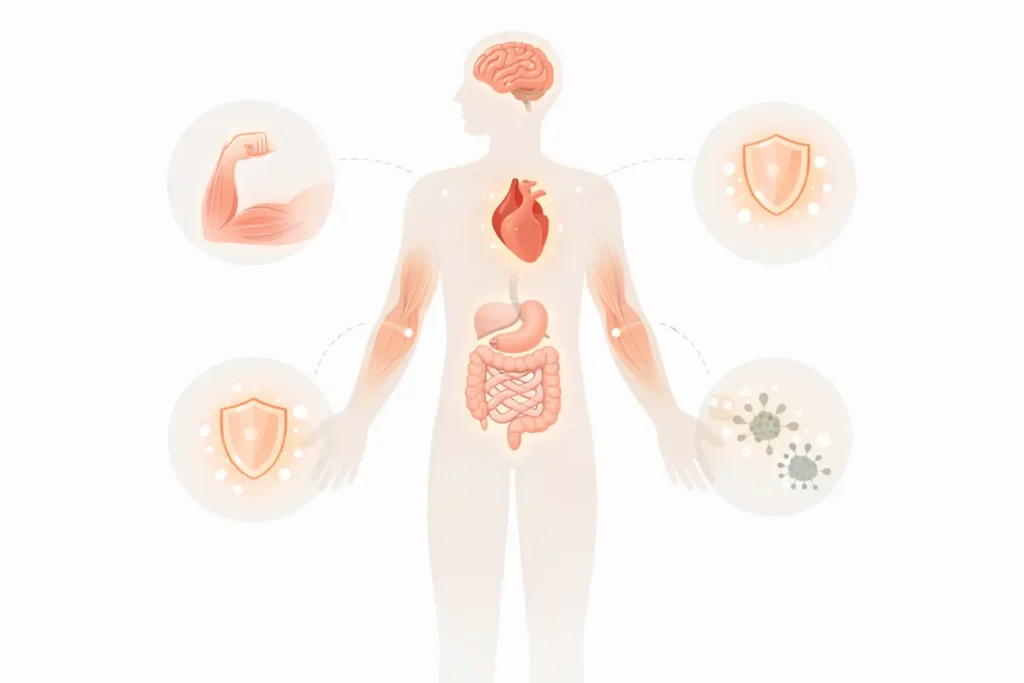
Our bodies are wise messengers, and they’ll often tell us what our minds are trying to ignore. Chronic stress doesn’t just live in our thoughts—it settles into our muscles, disrupts our sleep, weakens our immune system, and shows up in ways we might not immediately connect to burnout.
Physical signs your body is asking for help:
| Symptom | What’s Happening | What You Can Do |
|---|---|---|
| Persistent aches and pains | Muscle tension from chronic stress, especially in the neck, shoulders, and back | Gentle movement, massage, stress reduction techniques |
| Frequent headaches | Tension headaches or migraines from ongoing stress | Relaxation practices, adequate hydration, and professional evaluation |
| Digestive issues | Stress affects your gut health and appetite | Mindful eating, stress management, and consulting a healthcare provider |
| Sleep disturbances | Racing mind or body, unable to settle into rest | Sleep hygiene, relaxation routines, and addressing underlying stress |
| Getting sick often | Weakened immune system from chronic stress | Focus on nutrition, rest, and stress reduction |
| Deep, unshakeable fatigue | Different from tiredness—a profound energy depletion | Prioritize rest, gentle self-care, and professional support |
| Skin changes | Stress-related breakouts, rashes, or other skin issues | Gentle skincare, stress management, and dermatology consultation if needed |
| Weight changes | Stress eating or loss of appetite affecting weight | Mindful eating practices, emotional support, and nutritional guidance |
| Racing heart | Anxiety and stress affect heart rate during normal activities | Breathing exercises, stress reduction, and medical evaluation if persistent |
Your body’s wisdom is trying to guide you toward healing. Listen with compassion, not judgment.
5. When Hope Feels Distant: The Cycle of Despair
Perhaps the most painful aspect of burnout is when it touches our sense of hope and self-worth. You might feel like nothing you do matters, that you’re stuck in a cycle with no way out. These feelings of ineffectiveness can be particularly crushing because they attack our sense of purpose and value.
I want to speak directly to your heart here: these feelings are symptoms, not truths about who you are. When burnout clouds our vision, it can make us forget our own strength, resilience, and worth. But beneath the exhaustion and despair, your authentic self—the one with dreams, talents, and purpose—is still there.
When burnout affects your sense of hope:
- Feeling powerless over your personal and professional life
- Believing your contributions don’t matter or aren’t noticed
- Experiencing persistent thoughts of inadequacy and self-doubt
- Difficulty setting or working toward personal goals
- Feeling overwhelmed by basic responsibilities
- Comparing yourself unfavorably to others
- Anxiety about the future and your prospects
- Questioning your abilities and talents
If you’re in this place, please reach out for support. Sometimes we need someone else to hold hope for us while we rebuild our own. There’s no shame in asking for help—it’s actually an act of courage and self-love.

Frequently Asked Questions
What are the most common signs that I might be experiencing burnout?
The most telling signs are persistent exhaustion that doesn’t improve with rest, losing interest in activities you once enjoyed, increased irritability, physical symptoms like headaches or sleep issues, and feelings of hopelessness about your situation. Trust your inner knowing—if something feels different or overwhelming, it’s worth paying attention to.
How do I know when it’s time to seek professional support?
If you’re constantly feeling overwhelmed, having trouble concentrating, noticing changes in your sleep or appetite, withdrawing from relationships, or feeling hopeless about your situation, these are signals that professional support could be incredibly helpful. You don’t have to wait until you’re in crisis—seeking help early is an act of self-care.
Can burnout affect my relationships with family and friends?
Absolutely. When we’re running on empty, we often have less patience, empathy, and energy for the people we love. You might find yourself withdrawing, being more irritable, or feeling disconnected from others. This is why addressing burnout isn’t just about you—it’s about preserving and nurturing the relationships that matter to you.
What should I expect if I decide to seek counseling for burnout?
In our sessions together, we’ll create a safe space to explore what’s contributing to your burnout and develop personalized strategies for healing. We’ll work on stress management techniques, boundary setting, self-care practices, and addressing any underlying patterns that might be contributing to your exhaustion. The goal is to help you reconnect with your strength and find sustainable ways to care for yourself.
How long does it typically take to recover from burnout?
Healing is deeply personal and depends on many factors—how long you’ve been experiencing burnout, your support system, life circumstances, and what strategies you’re able to implement. Some people start feeling shifts within weeks, while others need months to fully restore their energy and sense of well-being. What matters most is that you’re taking steps toward healing, and every small step counts.
Can I prevent burnout from happening again?
Recovery from burnout often teaches us valuable lessons about our limits, needs, and the importance of self-care. While life will always have stressful periods, developing healthy boundaries, stress management skills, and self-awareness can significantly reduce your risk of experiencing burnout again. It’s about learning to listen to your body and mind before they have to speak so loudly.
Your Healing Journey Starts Here
If you recognize yourself in these words, please know that acknowledging where you are is the first step toward healing. Burnout isn’t a reflection of your worth or strength—it’s a signal that you need and deserve care and support.
Your story doesn’t end with exhaustion and despair. With the right support, tools, and commitment to your own healing, you can find your way back to energy, purpose, and joy. You are worthy of feeling well, and seeking help is one of the most courageous things you can do for yourself.
Continue Your Healing Journey
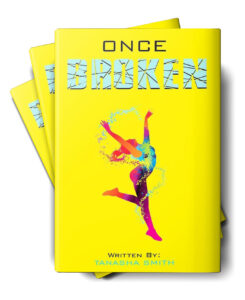
Discover Your Path to Healing: If this resonates with your experience, my book “Once Broken” explores how trauma and overwhelming life experiences can lead to burnout—and more importantly, how you can find beauty in your brokenness and reclaim your strength. Available on Amazon, it’s a companion for anyone ready to begin their healing journey.
Ready for Professional Support?
As I always tell my clients: “Your life is not defined by what has happened to you; your life is defined by what you make it to be.” Your healing starts when you’re ready to do the self-work, and I’m here to support you every step of the way.
Contact us today to learn more about our burnout counseling services in Brampton, Toronto, and throughout the GTA. We also offer secure online counseling sessions for clients across Ontario and internationally.