Understanding Your Journey Before It’s Too Late
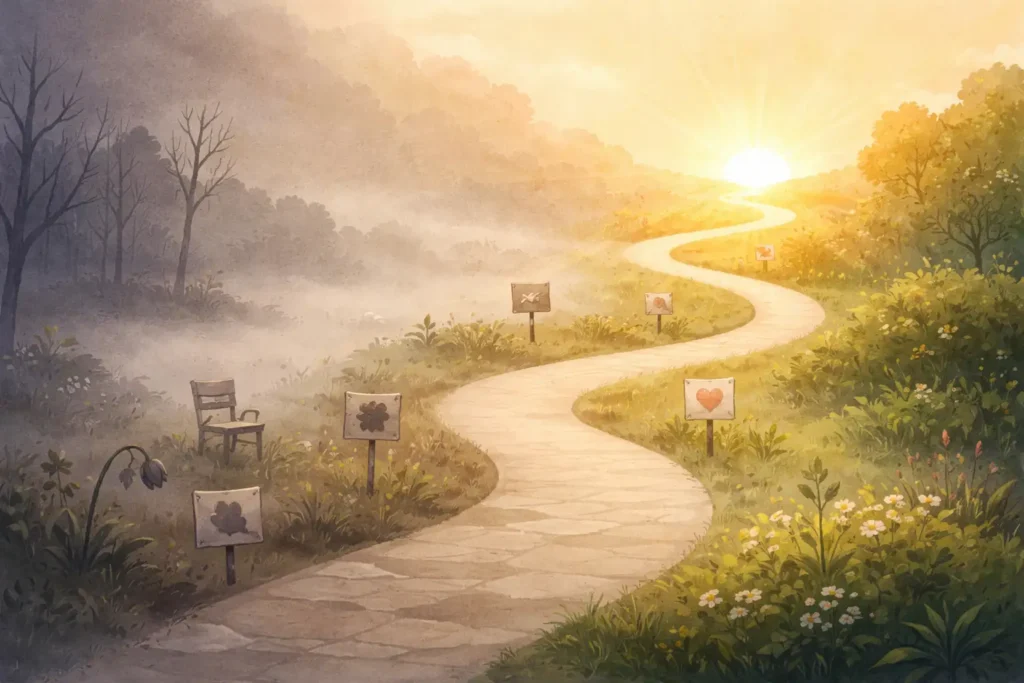
In my years of supporting people through their darkest moments in Brampton, Toronto, and across the GTA, I’ve noticed that burnout rarely happens overnight. It’s a gradual process, like a slow leak that eventually floods the room. Understanding the stages of burnout isn’t just academic knowledge—it’s a roadmap that can help you recognize where you are and, more importantly, guide you toward healing before you reach a breaking point.
I want to share this framework with you not to frighten you, but to empower you. When we understand the journey, we can change direction. When we recognize the patterns, we can break the cycles that keep us trapped in exhaustion and despair.
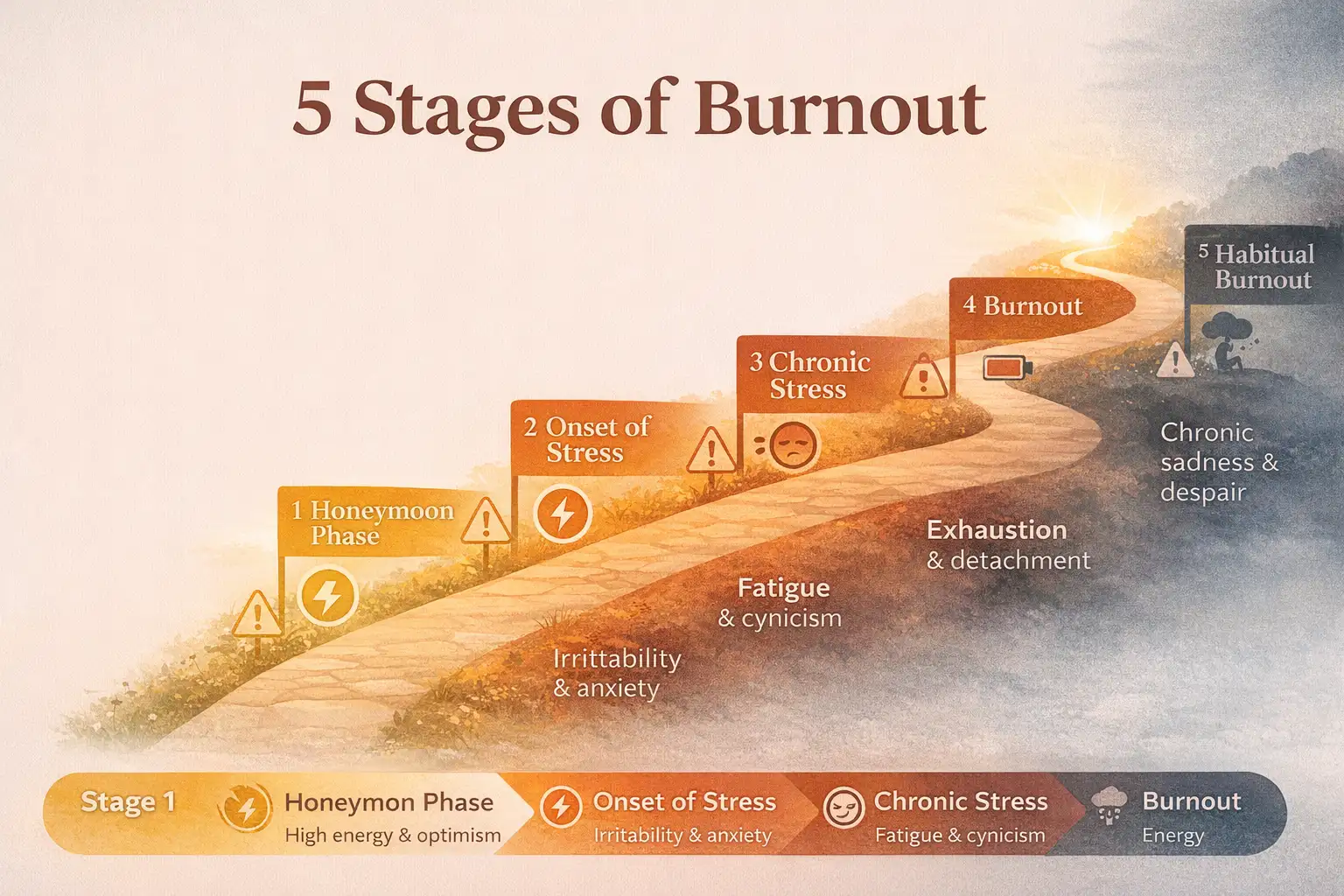
Burnout typically unfolds across five distinct stages—each one building on the last, and each one offering a chance to choose a different path. Let’s walk through them together.
Stage 1: The Honeymoon Phase — When Passion Becomes a Prison
The first stage often feels wonderful, which is why it’s so dangerous. You’re energized, enthusiastic, and ready to take on the world. Maybe you’ve started a new job, taken on a caregiving role, or committed to a cause that speaks to your heart. The problem isn’t the enthusiasm—it’s when that enthusiasm becomes an all-consuming drive that leaves no room for rest or boundaries.
In this stage, I often see people who:
- Take on more responsibilities than they can realistically handle
- Say yes to everything because they want to prove themselves
- Work late hours without considering the long-term cost
- Neglect their personal needs in service of their goals
- Feel invincible and believe they can handle anything
The hidden danger: This stage feels so positive that we don’t recognize it as the beginning of a harmful pattern. Your body and mind are already beginning to adapt to unsustainable demands, setting the stage for what comes next.
What you can do: Even in this energetic phase, practice setting small boundaries. Schedule regular breaks, maintain some activities outside of your main focus, and check in with yourself about sustainable pacing.
Stage 2: The Onset of Stress — When Cracks Begin to Show
Reality starts to set in during the second stage. The initial excitement begins to fade, and you start noticing that maintaining your previous pace is harder than you thought. I’ve sat with many clients across the GTA who first noticed these warning signs but dismissed them as temporary stress. Here’s the thing—your body doesn’t lie. This is when stress begins to accumulate, and it’s worth paying attention.
Physical signs you might notice:
- Occasional headaches or muscle tension
- Sleep beginning to feel less restful
- Minor digestive issues or changes in appetite
- Increased susceptibility to minor illnesses
- Feeling more tired than usual at the end of the day
Emotional and mental shifts:
- Moments of irritability that seem out of character
- Difficulty concentrating for extended periods
- Occasional feelings of being overwhelmed
- Beginning to dread certain tasks or responsibilities
- Less patience with interruptions or unexpected demands
The critical choice point: This stage is where prevention is most powerful. Your system is still resilient enough to bounce back with proper care and boundary adjustments.
What your body is telling you: “I need more support and less demand. Please listen before I have to speak louder.”
Stage 3: Chronic Stress — When Warning Becomes Alarm
By the third stage, stress is no longer occasional—it’s become your constant companion. Your nervous system is operating in a heightened state most of the time, and what once felt manageable now feels overwhelming. I’ve worked with so many beautiful souls at this stage who pushed through, believing they just needed to try harder or be stronger. But I want you to hear this: pushing harder is not the answer. Your body is asking for something different.
Physical symptoms intensify:
- Persistent fatigue that doesn’t improve with rest
- Regular headaches or migraines
- Digestive issues becoming more frequent
- Sleep disturbances or insomnia
- Muscle pain and tension, especially in neck and shoulders
- Getting sick more often or taking longer to recover
I’ve seen chronic stress take a serious toll on the body—and the research confirms what I witness in my practice every day. Over time, unmanaged stress can lead to cardiovascular disease, weakened immune function, and significant mental health challenges.¹
Emotional exhaustion sets in:
- Feeling emotionally numb or disconnected
- Increased irritability affecting relationships
- Cynicism creeping into your worldview
- Loss of empathy for others’ struggles
- Feeling trapped with no way out
Behavioral changes emerge:
- Withdrawing from social activities
- Procrastinating on important tasks
- Using substances (caffeine, alcohol, etc.) to cope
- Neglecting personal care routines
- Avoiding responsibilities when possible
The danger zone: This is where burnout becomes a serious threat to your physical and mental health. Without intervention, the next stages can lead to significant health consequences.
Stage 4: Burnout — When Systems Shut Down
Full burnout is a state of complete exhaustion where your ability to cope has been overwhelmed. If you’ve reached this stage, please know that you’re not broken—you’re experiencing a normal response to abnormal pressure. Your mind and body are essentially forcing you to stop because you haven’t been able to stop yourself.
The World Health Organization now recognizes burnout as a serious occupational phenomenon—and in my practice, I see it as so much more than that. It touches every part of who you are.²
Complete system exhaustion:
- Chronic fatigue that no amount of rest seems to heal
- Physical symptoms that may include chest pain, digestive disorders, or chronic pain
- Cognitive symptoms like memory problems and inability to concentrate
- Emotional numbness alternating with periods of intense emotion
- Feeling like you’re barely surviving each day
Psychological impact:
- Sense of failure and self-criticism
- Feeling helpless and powerless over your situation
- Loss of motivation for activities you once enjoyed
- Questioning your abilities and worth
- Feeling isolated and disconnected from others
Functional impairment:
- Difficulty performing basic work or personal tasks
- Relationships suffering due to emotional unavailability
- Physical symptoms interfering with daily activities
- Decision-making becomes extremely difficult
The hope in darkness: Even at this stage, recovery is possible. In my practice at Mastery of Self Inc., I’ve walked alongside many people who found their way back from complete burnout to lives of renewed purpose and joy. It requires professional support, time, and self-compassion—but healing is always possible.
Stage 5: Habitual Burnout — When Crisis Becomes Chronic
The final stage occurs when burnout becomes so normalized that it feels like a permanent part of who you are. This isn’t just exhaustion—it’s a fundamental shift in how you experience life. I’ve seen this stage rob people of their sense of self, and it breaks my heart every time. But here’s what I know: no matter how long someone has carried this weight, transformation is still possible.
Long-term health consequences:
- Chronic depression and anxiety
- Cardiovascular problems
- Immune system dysfunction
- Digestive disorders
- Chronic pain conditions
- Increased risk of substance abuse
Identity erosion:
- Losing sense of who you are outside of your struggles
- Believing that exhaustion and overwhelm are just “how life is”
- Feeling unable to imagine a different way of being
- Resignation to a life of chronic stress and unhappiness
The path back: Recovery from habitual burnout requires comprehensive support—often including therapy, medical care, and significant lifestyle changes. It’s a longer journey, but I’ve witnessed remarkable transformations when people commit to their healing.

Physical, Emotional, and Behavioral Warning Signs Across All Stages
Understanding burnout stages is helpful, but it’s equally important to recognize how burnout shows up in your daily experience. These symptoms can appear at any stage, often intensifying as burnout progresses.
Physical Signs Your Body Is Asking for Help
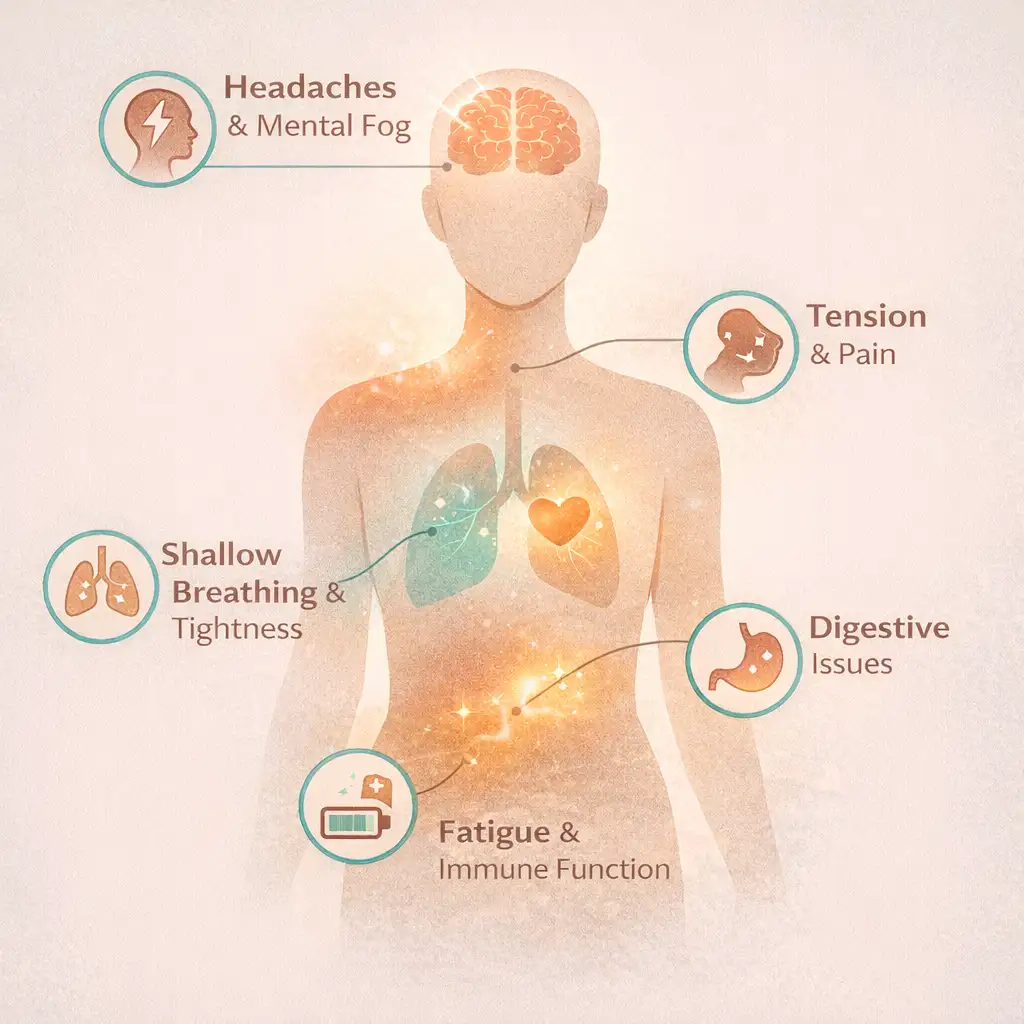
Your body is constantly communicating with you, and burnout has a distinct physical signature. Unlike normal fatigue, burnout-related physical symptoms persist even when you try to rest.
Energy and sleep-related symptoms:
- Persistent fatigue that doesn’t improve with rest
- Difficulty falling asleep or staying asleep
- Waking up tired despite adequate sleep hours
- Needing caffeine or stimulants to function
- Physical heaviness in your limbs or chest
Pain and tension symptoms:
- Chronic headaches or migraines
- Muscle tension, especially in neck, shoulders, and back
- Unexplained aches and pains
- Jaw clenching or teeth grinding
- Chest tightness or shallow breathing
Immune and digestive symptoms:
- Getting sick more frequently or taking longer to recover
- Digestive issues, stomach aches, or changes in appetite
- Skin problems like rashes or increased breakouts
- Changes in weight (gain or loss) without dietary changes
Emotional Signs Your Heart Is Heavy
Burnout doesn’t just affect your energy—it changes how you feel about life itself. These emotional shifts can be particularly distressing because they can make you feel like you’re losing yourself.
Numbness and disconnection:
- Feeling emotionally flat or empty
- Difficulty connecting with activities you once enjoyed
- Sense of going through the motions without feeling present
- Loss of enthusiasm for personal goals or dreams
Increased reactivity:
- Irritability over small issues that wouldn’t normally bother you
- Mood swings that feel out of character
- Crying more easily or feeling emotionally fragile
- Increased sensitivity to criticism or conflict
Cynicism and hopelessness:
- Developing negative attitudes toward work or responsibilities
- Losing faith in your ability to make a difference
- Feeling hopeless about your future prospects
- Questioning the value of your efforts and contributions
Behavioral Changes That Signal Distress
How we behave when burnt out often reflects our attempt to conserve whatever energy we have left. These behavioral changes are adaptive responses to overwhelm—not character flaws.
Withdrawal and avoidance:
- Pulling back from social activities and relationships
- Procrastinating on important tasks
- Avoiding challenging conversations or decisions
- Isolating yourself when you most need connection
Changes in self-care:
- Neglecting personal hygiene or appearance
- Eating poorly or skipping meals
- Avoiding exercise or movement
- Relying more heavily on substances like alcohol or caffeine
Work and productivity changes:
- Decreased performance despite effort
- Missing deadlines or calling in sick more often
- Avoiding new projects or responsibilities
- Taking longer to complete familiar tasks
Preventing Burnout: Building Resilience Before Crisis Hits
Prevention is always more effective than recovery, and it’s never too early to start building protective practices into your life. Whether you’re navigating workplace stress in downtown Toronto, juggling family responsibilities in Brampton, managing caregiving duties anywhere in the GTA, or working with me virtually from anywhere in Ontario or beyond—these strategies can help. The tools that prevent burnout are the same ones that support your overall wellbeing and life satisfaction.
Research consistently shows that strong social support networks and healthy boundaries are among the most effective protective factors against burnout.³
Creating Sustainable Boundaries
Boundaries aren’t walls that keep others out—they’re guidelines that help you maintain your energy and integrity while still being present for what matters most to you.
Energy boundaries:
- Learn to say no to commitments that don’t align with your values or capacity
- Schedule regular breaks throughout your day
- Protect time for activities that restore rather than drain you
- Recognize the difference between urgent and important tasks
Emotional boundaries:
- Practice not taking responsibility for others’ emotions
- Limit exposure to negative news or toxic relationships
- Allow yourself to feel your emotions without immediately trying to fix them
- Seek support when you need it rather than trying to handle everything alone
Time boundaries:
- Set realistic expectations for what you can accomplish
- Build buffer time into your schedule for unexpected demands
- Protect time for rest, play, and personal relationships
- Practice ending work at a reasonable hour
Developing Self-Awareness and Early Warning Systems
The earlier you can recognize your personal burnout signals, the more effectively you can respond. Everyone’s warning system is different, so learning your unique patterns is crucial.
Physical awareness practices:
- Regular body scans to notice tension or pain
- Tracking sleep quality and energy levels
- Paying attention to changes in appetite or digestion
- Monitoring your immune function and recovery time from illness
Emotional check-ins:
- Daily or weekly assessments of your emotional state
- Noticing changes in your enthusiasm for activities you usually enjoy
- Tracking irritability or mood changes
- Observing your empathy levels and connection with others
Building Supportive Relationships and Community
Burnout thrives in isolation, but it struggles to survive in the presence of genuine connection and support. Building and maintaining supportive relationships is one of the most powerful preventive measures you can take.

Professional support systems:
- Regular check-ins with supervisors about workload and stress
- Peer support groups with others in similar situations
- Access to mental health resources and counseling
- Mentorship relationships that provide guidance and perspective
Personal support networks:
- Friends and family who understand your values and challenges
- Communities that share your interests and passions
- Spiritual or philosophical communities that provide meaning
- Professional helpers like therapists, coaches, or healthcare providers
The Importance of Professional Support in Your Healing Journey
Recognizing that you need help isn’t a sign of weakness—it’s a sign of wisdom and self-respect. Professional support can provide you with tools, perspectives, and strategies that are difficult to develop on your own, especially when you’re already overwhelmed.
When to Seek Professional Help
While self-care and support from friends and family are important, there are times when professional intervention becomes necessary for your health and safety.
Seek immediate professional support if you’re experiencing:
- Thoughts of harming yourself or others
- Inability to function in basic daily activities
- Severe depression or anxiety that interferes with life
- Substance use as a primary coping mechanism
- Complete isolation from supportive relationships
Consider professional support if you notice:
- Persistent symptoms that don’t improve with rest and self-care
- Relationship problems that stem from your exhaustion and irritability
- Physical symptoms that could be stress-related
- Feeling stuck in patterns you can’t break on your own
- A desire for additional tools and strategies for managing stress
What to Expect from Burnout Counseling
In our work together, we create a safe space to explore not just your symptoms, but the underlying patterns and beliefs that may be contributing to your burnout. This isn’t about quick fixes—it’s about deep, sustainable healing. Whether we meet in person in Brampton or virtually from wherever you are in Ontario or internationally, the work is the same: meaningful, personal, and at your pace.

Our therapeutic process typically includes:
- Understanding your unique burnout triggers and patterns
- Exploring the roots of perfectionism, people-pleasing, or other contributing factors
- Developing personalized stress management and coping strategies
- Learning to set and maintain healthy boundaries
- Processing any trauma or difficult experiences that may be impacting your resilience
- Building a sustainable plan for moving forward
Therapeutic approaches that can help:
- Cognitive-behavioral therapy for changing thought patterns
- Mindfulness-based stress reduction for present-moment awareness
- EMDR for processing traumatic stress
- Somatic approaches for releasing physical tension and trauma
- Narrative therapy for rewriting your relationship with stress and work
Moving Forward: Your Personal Recovery and Prevention Plan
Recovery from burnout isn’t about returning to who you were before—it’s about becoming someone who can handle life’s challenges without sacrificing your well-being. It’s about creating a life that sustains rather than depletes you.
Immediate Steps You Can Take Today
If you’re in the early stages of burnout:
- Acknowledge where you are without judgment
- Identify one boundary you can set immediately
- Schedule time for one restorative activity this week
- Reach out to one person in your support network
If you’re in advanced stages of burnout:
- Consider this your permission to prioritize your health above all else
- Seek professional support as soon as possible
- Simplify your life in whatever ways you can
- Remember that recovery is possible, even if it doesn’t feel like it right now
Building Long-term Resilience
Sustainable lifestyle practices:
- Regular movement that you enjoy rather than exercise you endure
- Nutrition that supports stable energy rather than quick fixes
- Sleep habits that prioritize quality rest
- Spiritual or philosophical practices that provide meaning and perspective
Ongoing self-development:
- Continue learning about stress management and emotional regulation
- Develop hobbies and interests outside of work or primary responsibilities
- Practice skills like assertiveness, communication, and conflict resolution
- Regularly reassess your values and ensure your life aligns with them
Continue Your Healing Journey

Deepen Your Understanding: My book “Once Broken” explores how trauma and overwhelming life experiences can create patterns that lead to burnout. More importantly, it shows how you can find beauty in your brokenness and build resilience that protects you from future overwhelm. Available on Amazon.
Join Our Healing Community
Get weekly insights on stress management, boundary setting, and building resilience. Join others who are committed to creating sustainable, fulfilling lives.
- Practical stress management techniques
- Boundary-setting strategies that actually work
- Early access to resources and workshops
- Community support for your healing journey
Ready for Personalized Support?
Understanding burnout is the first step, but healing often requires personalized guidance. As a registered social worker, I offer in-person sessions in Brampton and Toronto, as well as secure virtual counseling for clients across Ontario and internationally. Wherever you are, support is available.
As I tell all my clients: “Your life is not defined by what has happened to you; your life is defined by what you make it to be.” Your burnout doesn’t have to define your future, and with the right support, you can build a life that energizes rather than exhausts you.
Ready to take the next step?
Learn more about our burnout counseling and stress management services in Brampton, Toronto, and throughout the GTA. We also offer secure online counseling sessions for clients across Ontario and internationally.
Frequently Asked Questions About Burnout Stages and Prevention
How quickly do people progress through the stages of burnout?
The progression varies greatly depending on individual circumstances, support systems, and coping strategies. Some people move through stages over months, while others might experience a more gradual progression over years. The key is that each stage offers opportunities for recognition and intervention—it’s never too late to change direction.
Can you skip stages or experience them out of order?
While the five-stage model provides a helpful framework, real life is rarely linear. You might experience symptoms from multiple stages simultaneously, or certain life events might accelerate your progression. What matters most is recognizing that you’re struggling and taking action to support yourself.
Is it possible to recover from habitual burnout completely?
Absolutely. Over 15 years of supporting clients through burnout has taught me that recovery from severe, chronic burnout is absolutely possible. Recovery often takes longer from habitual burnout, and it usually requires professional support—but complete healing is possible. Many people find that their post-burnout life is more fulfilling than their pre-burnout life because they’ve learned to prioritize their well-being.
What’s the difference between burnout and depression?
While burnout and depression can share similar symptoms, burnout is specifically related to overwhelming stress and often improves when the stressful situation changes. Depression is typically more pervasive and affects multiple areas of life. However, untreated burnout can lead to clinical depression, which is why early intervention is so important.
How do I know if my workplace is contributing to my burnout?
Signs of a burnout-promoting workplace include unrealistic expectations, lack of support from management, poor work-life balance expectations, toxic communication patterns, and limited resources to meet demands. If changing your personal habits and boundaries doesn’t improve your situation, the environment itself may need to change.
Can burnout prevention strategies help with other areas of stress in my life?
Yes! The skills that prevent work burnout—boundary setting, stress management, self-awareness, and seeking support—are valuable for all areas of life including relationships, parenting, caregiving, and personal challenges. Building these skills creates overall resilience that serves you in many situations.
How long does it typically take to recover from burnout?
Recovery time varies based on the severity of your burnout, your support system, and the changes you’re able to make in your life. Some people start feeling better within weeks of making significant changes, while others need months or longer. The important thing is to focus on progress rather than timeline and to be patient with yourself during the healing process.
References
¹ American Psychological Association. (2019). Stress in America™ 2019.
About the Author
Tanasha Smith, RSW, is the Principal Social Worker at Mastery of Self Inc. and is registered with the Ontario College of Social Workers and Social Service Workers (OCSWSSW) and the Ontario Association of Social Workers (OASW). With over 15 years of experience supporting individuals through burnout, trauma, and life transitions, she specializes in trauma-informed approaches to stress management and emotional healing. Tanasha is currently pursuing her Master of Social Work degree and is the author of “Once Broken,” a guide to finding beauty in brokenness and building resilience.